IWN
IWN is an exchange-traded fund (ETF) managed by iShares that seeks to track the performance of the Russell 2000 Value Index. This index represents the value segment of the Russell 2000 Index, focusing on smaller U.S. companies with lower valuation metrics compared to growth stocks.
Asset Summary
Loading summary…
Asset Performance Metrics and Risk Characteristics:
Metrics below use daily returns for Jan 1, 2026 – Oct 7, 2026 (YTD).
Understanding asset performance is crucial for evaluating investment quality and making informed decisions. Metrics like trailing return and drawdown provide insights into how an asset has performed over time, its volatility, and the efficiency of its returns relative to risk. Performance indicators help assess the stability, risk, and reward of an investment, allowing investors and portfolio managers to make comparisons and strategize accordingly.
1 Month Trailing Return
-4.66%
Represents the percentage change in asset value over the past month.
3 Month Trailing Return
-3.55%
Indicates the percentage change in asset value over the last three months.
Period Max Drawdown
8.70%
The highest percentage drop from the peak value to the lowest point during the observed period.
Standard Deviation
15.46%
Shows how much the asset’s daily returns deviate from the average, annualized for the entire period.
Sharpe Ratio
1.35
Measures the average return earned in excess of the risk-free rate per unit of volatility, annualized.
Calmar Ratio
2.40
The ratio of the annualized return to the maximum drawdown, reflecting the return per unit of risk.
Asset Technical Analysis
Technical analysis involves evaluating an asset's price and volume data to forecast future movements and make informed trading decisions. Using indicators such as moving averages, pivot levels, momentum studies, and candlestick pattern scans can clarify trend strength and volatility. The tabs below summarize moving averages, pivots, technical indicators, candlestick patterns, and recent prices for this symbol.
Analysis
Moving Averages
Moving Averages are commonly used to smooth out price data and identify trends over a specific period. Here’s a summary of the latest moving averages for various periods:
| Type/Period | |
|---|---|
| SMA | |
| EMA | |
| WMA | |
| WEMA |

- SMA (Simple Moving Average): Reflects the average price over a specific number of periods.
- EMA (Exponential Moving Average): Gives more weight to recent prices, making it more responsive to new information.
- WMA (Weighted Moving Average): Assigns a weight to each price, emphasizing more recent prices.
- WEMA (Weighted Exponential Moving Average): Combines elements of both WMA and EMA for a more responsive moving average.
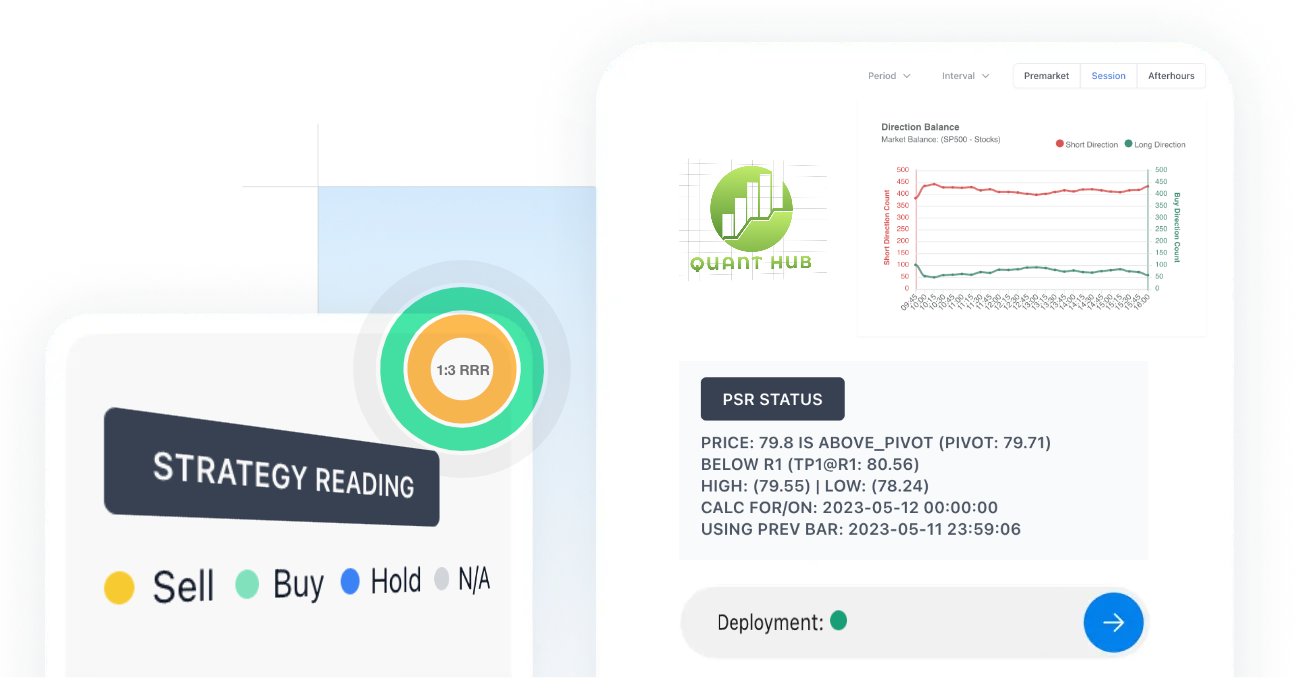
Optimize Your IWN Trading Now
Unlock the full potential of IWN with ohlcx.com’s cutting-edge automated trading system. Our platform provides precise price action analysis, advanced technical indicators, and powerful quantitative algorithms. Boost your investment success with us and transform your trading experience today!
Enhance Your Trading NowFrequently Asked Questions
-
IWN generally distributes dividends on a quarterly basis. These dividends come from the income generated by the underlying stocks in the ETF’s portfolio.
-
IWN specifically tracks the Russell 2000 Value Index, which focuses on small-cap value stocks. Other small-cap value ETFs might track different indices, such as the S&P SmallCap 600 Value Index, or have different management strategies and expense ratios. Comparing IWN with other similar ETFs involves examining the underlying index, fees, and performance characteristics.
-
The historical performance of IWN reflects its objective to track the Russell 2000 Value Index. Historical performance data is available through financial platforms and can be used to evaluate how the ETF has tracked the index over different time periods.
-
Key performance metrics for IWN include its net asset value (NAV), expense ratio, total return, and tracking error. NAV indicates the per-share value of the ETF, the expense ratio represents the cost of managing the fund, total return reflects the fund’s performance including dividends, and tracking error measures how closely the ETF’s performance matches the index.
-
IWN is managed passively by iShares. The fund aims to replicate the performance of the Russell 2000 Value Index by holding a portfolio of stocks that mirrors the index’s composition. This passive management approach involves regular rebalancing to maintain alignment with the index.
-
IWN aims to closely track the Russell 2000 Value Index. Due to its passive management strategy, the ETF typically has a low tracking error, meaning its performance is expected to closely mirror that of the index. However, minor deviations may occur due to factors such as fund expenses and management.
-
Risks associated with IWN include market risk and specific risk related to small-cap value stocks. Small-cap stocks can be more volatile than large-cap stocks, and value stocks might underperform growth stocks during certain market conditions. The ETF’s performance is directly tied to the Russell 2000 Value Index.
-
IWN rebalances its portfolio in response to changes in the Russell 2000 Value Index. When the index undergoes reconstitution or rebalancing, the ETF adjusts its holdings to reflect the new composition of the index.
-
Factors affecting IWN’s performance include the performance of the Russell 2000 Value Index, market conditions for small-cap value stocks, and changes in economic conditions. The fund’s tracking error and expense ratio also influence performance.
-
IWN has an expense ratio of approximately 0.24%. This fee covers the costs of managing the fund, including administrative and operational expenses.
Top Market Assets
Discover our curated selection of top-performing exchange-traded funds (ETFs) that represent a diverse range of investment opportunities.
SPY is an exchange-traded fund (ETF) that aims to replicate the performance of the S&P 500 Index. The S&P 500 Index includes 500 of the largest publicly traded companies in the United States, representing a broad cross-section of the U.S. economy.
QQQ is an exchange-traded fund (ETF) that tracks the performance of the Nasdaq-100 Index. This index includes 100 of the largest non-financial companies listed on the Nasdaq Stock Market, primarily focusing on technology and innovation sectors.
DIA is an exchange-traded fund (ETF) that aims to track the performance of the Dow Jones Industrial Average (DJIA). The DJIA is a stock market index consisting of 30 large, publicly traded companies in the United States, representing a broad range of industries.
IWM is an exchange-traded fund (ETF) that seeks to track the performance of the Russell 2000 Index. The Russell 2000 Index measures the performance of the 2,000 smallest stocks in the Russell 3000 Index, representing a broad segment of small-cap U.S. companies.
Advance Your IWN Trading Now
Unlock the full potential of IWN with OHLCX.com’s cutting-edge automated trading system. Our platform provides precise price action analysis, advanced technical indicators, and powerful quantitative algorithms. Start optimizing your trades today and transform your trading experience today!
Disclaimers
The information displayed on this site is sourced from third-party providers and is believed to be reliable. OHLCX has not independently verified this data and does not guarantee its accuracy. Content is for educational and informational purposes only and is not financial or investment advice.
With any investment, your capital is at risk. Past performance is no guarantee of future results. Consult your provider's terms and privacy policies where applicable.
Market data is provided in near real-time when available, but we do not guarantee its accuracy or timeliness.
Securities products are: Not FDIC insured · Not bank guaranteed · May lose value
Trademarks and logos are the property of their respective owners and do not represent endorsements of any kind.